 English

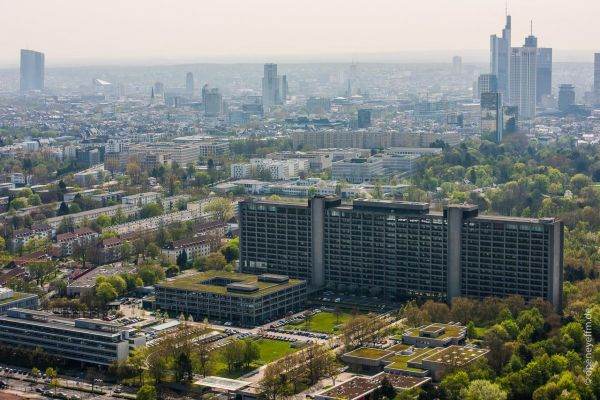
After a surprising growth in the first quarter, the German economy is expected to stagnate in the second quarter due to the war in Iran, the German Central Bank (Bundesbank) announced yesterday, AFP reports, according to Agerpres.
In the April-June quarter, "the effects of the Middle East conflict are expected to affect the German economy more and more significantly," the Bundesbank wrote in its monthly bulletin.
Inflation in Germany accelerated to 2.9% in April, driven by rising energy prices. This is leading to a loss of purchasing power and a reduction in private consumption, the monetary institution explained. The decrease in purchasing power is also holding back residential construction, while rising energy costs, supply tensions, uncertainty and higher lending rates are weighing on industry and investment, the Bundesbank added.
On the other hand, the conflict in the Middle East could support the German economy, thanks to the advance placement of orders in anticipation of shortages and price increases due to the war in the Middle East. In turn, German manufacturers could increase their market share compared to Asian competitors, which are more affected by the blockages caused by the closure of the Strait of Hormuz. However, "these effects are expected to be short-lived,” warns the Bundesbank.
At the same time, the increase in public investment in infrastructure and defense, as announced by the government in Berlin, should "increasingly support economic activity,” notes the central bank.
However, at the time of finalizing its monthly bulletin, the Bundesbank did not have the latest data on the PMI index, which was published last week and which signaled a further contraction in economic activity in May, as in April.
The PMI data for May "suggests that the German economy could contract slightly in the second quarter,” said Marc Schattenberg, an economist at Deutsche Bank.
This deterioration would follow a 0.3% increase in GDP between January and March, according to preliminary data provided by the Federal Statistical Office (Destatis), which will publish the final figures today.
The German business community, dissatisfied after the first year of a coalition government between the conservatives CDU/CSU and the Social Democrats (SPD), is calling for structural reforms to revive Europe's largest economy.





















 Euro
Euro Dolar SUA
 Franc elveţian
 Liră sterlină
 Gram de aur






















Reader's Opinion